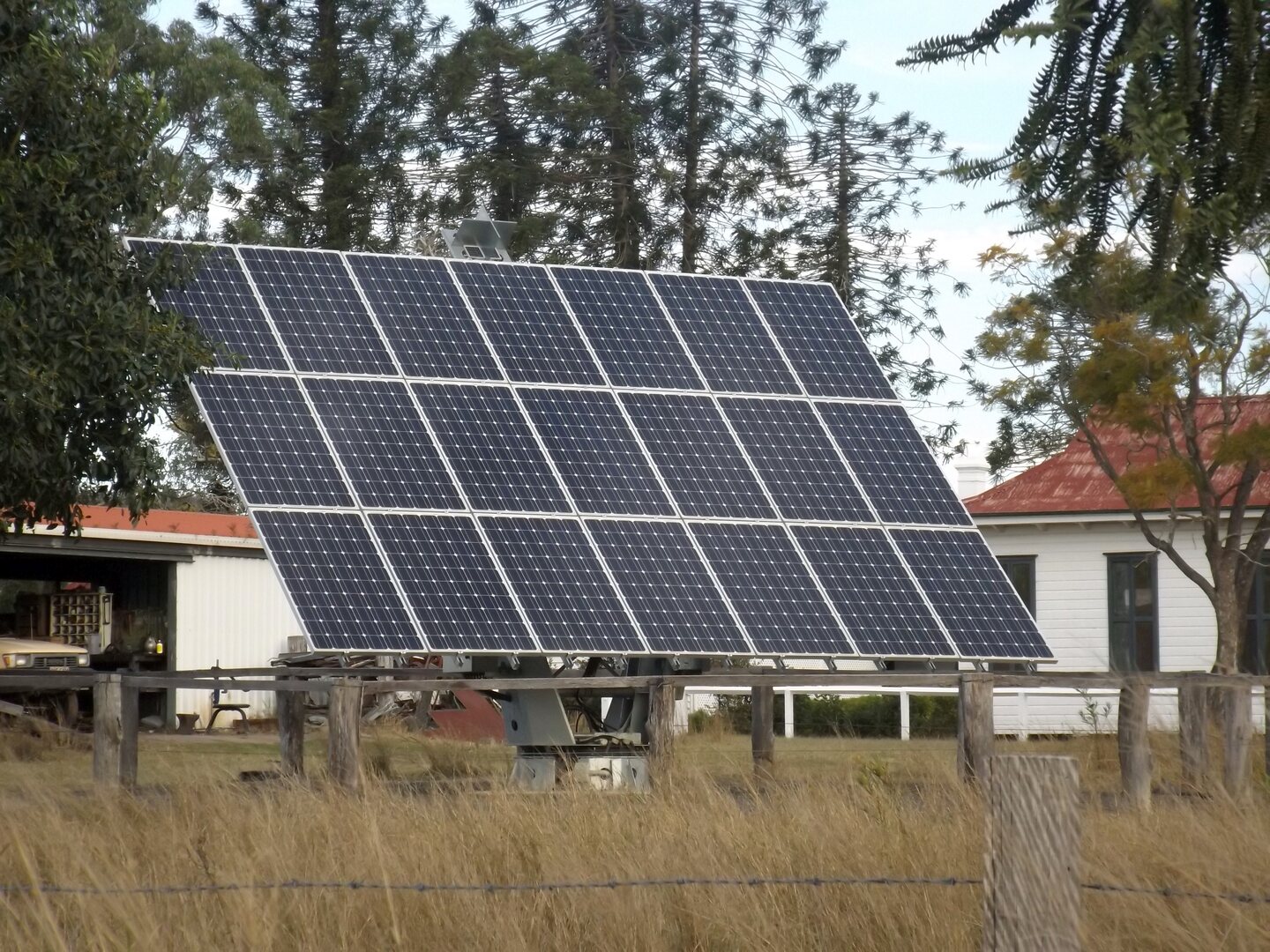
Renewable electricity generation is expected to overtake coal-fired generation globally in 2026, according to the International Energy Agency’s mid-year outlook. It is a significant change in the source of the world’s power, but not a prediction that every household’s next bill will fall.
The IEA forecasts renewable output growing by more than eight per cent this year. It also stresses the need for stronger grids and more flexible electricity systems as wind and solar expand. These are forecasts for the full year, not a completed annual tally. IEA electricity outlook
For Brisbane households, the useful question is how cheap generation at particular times reaches the retail plan they actually pay for.
Timing changes the economics
The IEA reports negative wholesale prices in around one-fifth of market hours in South Australia and California during the first half of 2026. It links negative prices to insufficient flexibility, including technical, regulatory and contractual constraints. IEA market analysis
Those observations concern those markets, not a measured share of Queensland hours. They nevertheless illustrate why adding annual generation and supplying electricity when it is needed are different tasks.
Power produced while demand is low has less value than power available during a constrained evening period. Storage, flexible demand and network connections can help bridge that mismatch. The choice among them requires attention to cost and location, rather than treating every additional unit of generation as equally useful.
A retail bill covers more than generation
The Australian Energy Market Commission explains that households and small businesses generally buy electricity under a retail contract, rather than directly paying the wholesale spot price. Retailers also use contracts to manage wholesale exposure.
Bills reflect generation, network costs, environmental policy costs and retail services. A low spot price for an hour therefore does not automatically become a matching credit on a household account. AEMC explanation of spot and contract markets
This is why a striking wholesale-price chart cannot, on its own, establish what a retailer should charge a particular customer. It can prompt questions, but those questions need the relevant contract period, network charges and actual usage pattern.
What households can compare
The federal government’s bill guide distinguishes the fixed daily supply charge from the variable charge for energy used. Both matter when comparing offers. Government energy-bill guide
An advertised cheap period may be useful to a household able to move substantial consumption into it. The assessment still needs the other hours, daily charge, eligibility conditions and any equipment costs. Someone with little flexibility may get a different result from the same offer.
Our view is that the global generation milestone deserves attention alongside these less photogenic details. The transition’s household benefit will depend partly on whether electricity systems can use abundant output effectively and whether retail arrangements pass that value through. A forecast about generation is the beginning of that assessment, not a substitute for it.