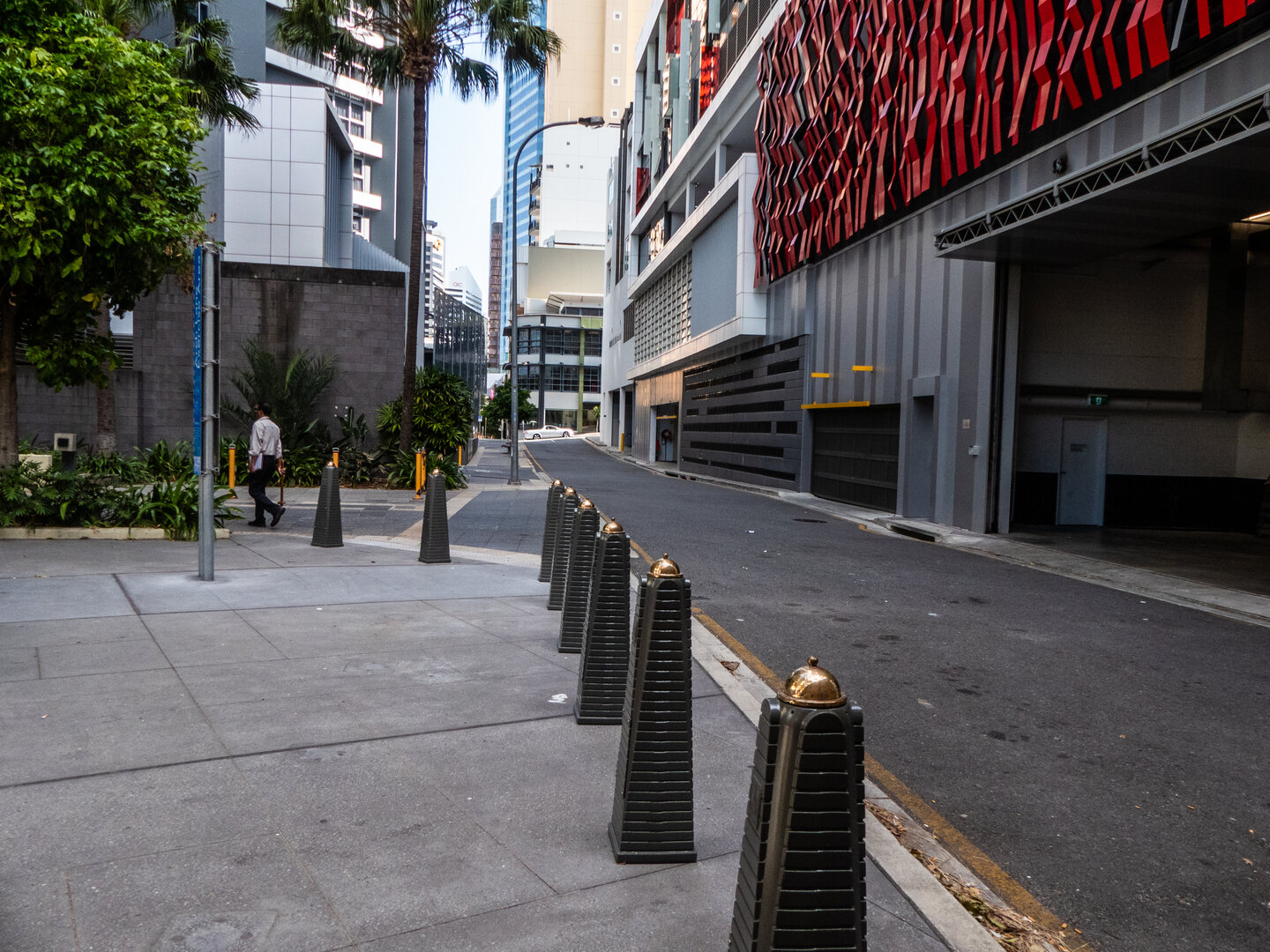
A trip across the eastern suburbs can involve a council footpath, a state-controlled road and a public transport service. When something goes wrong, sending the same complaint to every public office is tempting. A more useful starting point is to identify the asset or service and ask for a reference number.
The goal is a report someone can investigate, followed by a clear answer about who owns the next step.
Road damage: check the owner first
Queensland’s road repair guidance links to Road Lookup so residents can check responsibility. Do not guess ownership from a road’s name or how busy it looks.
For an urgent traffic problem on a state-controlled road, the published reporting number is 13 19 40. Non-urgent state-road issues can go through the online feedback route linked on that page. For urgent issues on Brisbane-controlled local roads, Council’s number is 07 3403 8888, available around the clock. Outside Brisbane, contact the relevant local council for its roads.
Use these reporting channels safely. Do not stop in a live lane or walk into traffic to obtain a photograph. A report can describe a hazard without putting the reporter in its path.
Footpaths: make the location unmistakable
Brisbane Council has a dedicated footpath maintenance report, including uneven surfaces and tree-root problems. Its guidance notes that some work may be another organisation’s responsibility, such as a utility. The broader Report an issue directory separates roads, kerbs, drainage, bikeways and other faults.
Give the nearest street address, the side of the road and a recognisable landmark. “Outside number 24, on the eastern side, beside the driveway” is more useful than “the footpath near the shops”. If safe, include one photograph showing the surroundings and another showing the defect.
Explain the practical impact: for example, whether a wheelchair or pram must leave the path. Do not present an unmeasured guess as a measurement. If a photo includes a person, vehicle registration or a neighbour’s property, consider whether that detail is necessary before sharing it publicly.
Bus problems: describe a particular service
Translink accepts non-urgent questions and complaints through its contact and feedback channels, and its contact centre operates on 13 12 30 around the clock. Lost property is directed to the operator of the service on which the item was left.
For a missed or unreliable bus, record the route, direction, stop, date and scheduled time. Separate what you observed from what an app displayed. “I was at the stop from 7.35 to 8.00 and did not see the 7.42 service” gives an investigator a clearer starting point than “this bus never comes”.
For a proposed network improvement, describe the journey you cannot make and the times it matters. Translink says feedback informs matters including service additions, scheduling and facilities. That does not guarantee a requested change, but it identifies a channel intended to receive the evidence. How Translink handles feedback
Keep the follow-up short and traceable
Save the reference number, reporting date and any response. If the reply redirects you, ask which agency or team should receive the issue and whether the report has actually been transferred.
A useful follow-up asks one answerable question: Has the location been inspected? Who is responsible? What happens next? If an agency gives a date, follow up against that date rather than send repeated copies of the original complaint.
Residents should not need to become experts in government organisation to get a broken asset noticed. A precise location, a factual account and a retained reference number are the best starting kit.
*Official contact routes checked on 29 October 2026. Reporting a fault does not guarantee a repair timetable.*